
Preparing together for whatever comes
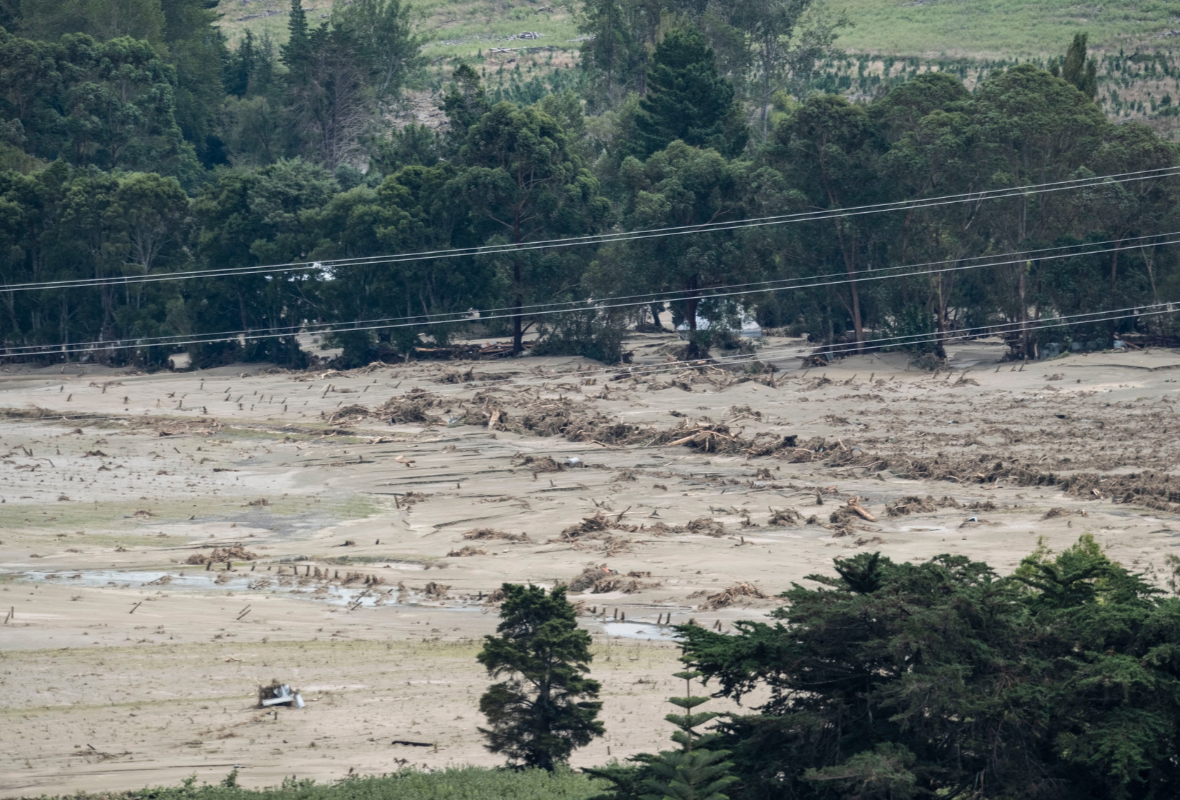
On 15 February, many of us felt the force of nature in a way we won’t soon forget.
The severe winds and heavy rainfall that swept across the Greater Wellington Region (described as the strongest winds in a decade) left trees down, roofs rattling, and thousands of homes without power.
For some whānau, it meant spoiled food, cold nights, disrupted plans, and real worry.
Events like this are a reminder that while we can’t control the weather, we can take steps to be ready for it.
Preparedness is about manaakitanga, caring for ourselves and each other, so that when the unexpected happens, we’re not starting from zero.
The National Emergency Management Agency (NEMA) recommends that every household have enough supplies to manage on its own for at least three days. That can feel overwhelming, but it helps to break it down.
Start with the basics:
Water: At least three litres of drinking water per person per day, for three days.
Food: Non-perishable items like canned food, dried goods, long-life milk, and snacks. Choose food your whānau will actually eat.
Torch and spare batteries: Essential during power cuts.
Battery-powered or hand-crank radio: To stay updated if phones and the internet are down.
First aid kit and essential medications.
Warm clothing and blankets.
Phone charger and power bank.
Important documents: Copies of ID, insurance, and contact numbers in a waterproof container.
Supplies for babies or pets, if needed.
If you have space, consider items like a gas cooker (with ventilation), hand sanitiser, hygiene products, and cash in small denominations.
The key is to store everything in one easy-to-access place. Check items every six months to replace expired food or flat batteries.
We know that for many whānau, putting aside extra money for emergency supplies isn’t simple. With food, rent, power bills and school costs already stretching budgets, an emergency kit can feel like a luxury.
If that’s you, you’re not alone.
Preparedness doesn’t have to happen all at once. You might start by adding one or two extra cans to your trolley each shop. Or picking up a pack of batteries one week, a torch the next. Small, steady steps build resilience over time.
Financial preparedness is part of emergency readiness too. Having even a small buffer, or a plan for how to manage unexpected costs, can ease stress when disruptions happen.
Just as important as what’s in your cupboard is who’s around you. Take time, when things are calm, to get to know your neighbours.
A simple introduction, swapping phone numbers, or creating a small street contact list can make a real difference.
In an emergency, you’ll know who may need a check-in (especially kaumātua, people living alone, or families new to the area).
Community connections are one of our strongest forms of protection. When we look out for each other, we strengthen the whole neighbourhood.
That’s where our Whānau Centre budgeting team can tautoko. Our friendly, non-judgmental advisors work alongside you to create practical plans that fit your reality.
Whether it’s finding room in your budget for emergency supplies, managing debt, or planning for the unexpected, we’re here to walk that journey with you.
If you’d like help creating a realistic plan to prepare your emergency kit, or you’re feeling the pressure of rising costs, reach out.
We’re here to support your whānau with practical tools, compassionate guidance, and manaakitanga every step of the way.
So, get in touch with us today to book a free budgeting appointment.