
Teaching confidence, one swim lesson at a time
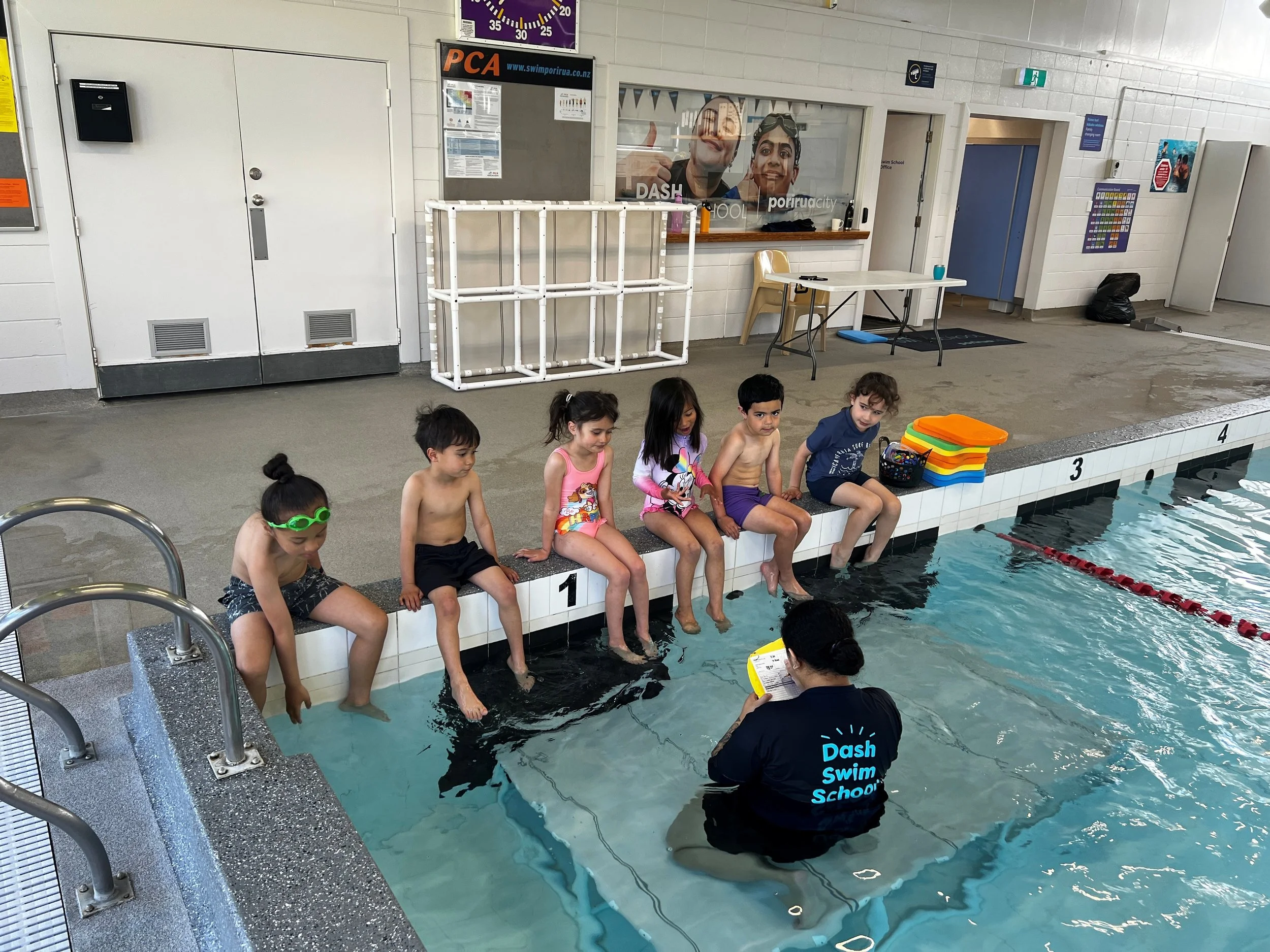
At the Porirua Whānau Centre, swimming lessons are more than just another holiday activity.
They’re a commitment born from loss, community concern and a determination to protect future generations.
Staff trace the origins of the programme back more than a decade, after drownings at local beaches and pools shook families across Porirua.
“Liz was real staunch on that… she just said ‘we’re going to teach our children’” TJ recalled of her insistence to make water safety non-negotiable.
The programme now runs every school holiday for children aged five to eleven, with around 50 participants each intake.
Supported through Porirua City Council’s water safety funding, the Centre delivers hundreds of lessons each year.
And the lessons are often the only formal swim instruction many children receive.
Most arrive with very limited skills. Instructors routinely begin with the basics: blowing bubbles, learning to float and becoming comfortable in shallow water.
“The kids don’t know the dangers,” Hemi says, a Whānau Centre holiday programme Coordinator.
He recalled a moment years ago when a teenager who couldn’t swim grabbed onto him in Lake Taupō.
“I remember nearly drowning… it shows how common it is for many of our people not to know how to swim.”
Those gaps are shaped by more than lack of access. Cost is a barrier for many families, but cultural factors play a role too, particularly within Pasifika communities.
Staff often hear hesitations tied to superstition, winter swimming or fear of getting sick.
“A lot of the islanders… they like to be there when it’s swimming. There’s a big superstition about it,” TJ explains.
Parents sometimes avoid sending children with togs in colder months, worried the cold water will make them unwell.
The result is a cycle: adults who never learned to swim feel uneasy around water, which makes their children less likely to gain confidence early.
Instructors frequently meet parents who overestimate their children’s abilities, assuming they’ve somehow picked up skills they’ve never had the chance to learn.
“They think their kids are better than they are… but the instructors say they’re beginners,” Hemi says
Breaking that cycle is the long-term goal, and the team has already seen change.
Children are gaining skills their parents never had, and in some cases inspiring adults to confront their own fears.
For the Whānau Centre, the aim isn’t just teaching strokes.
It’s reshaping the relationship families have with water so beaches become places of enjoyment, not anxiety.
As TJ puts it: “Confidence breeds confidence”.