
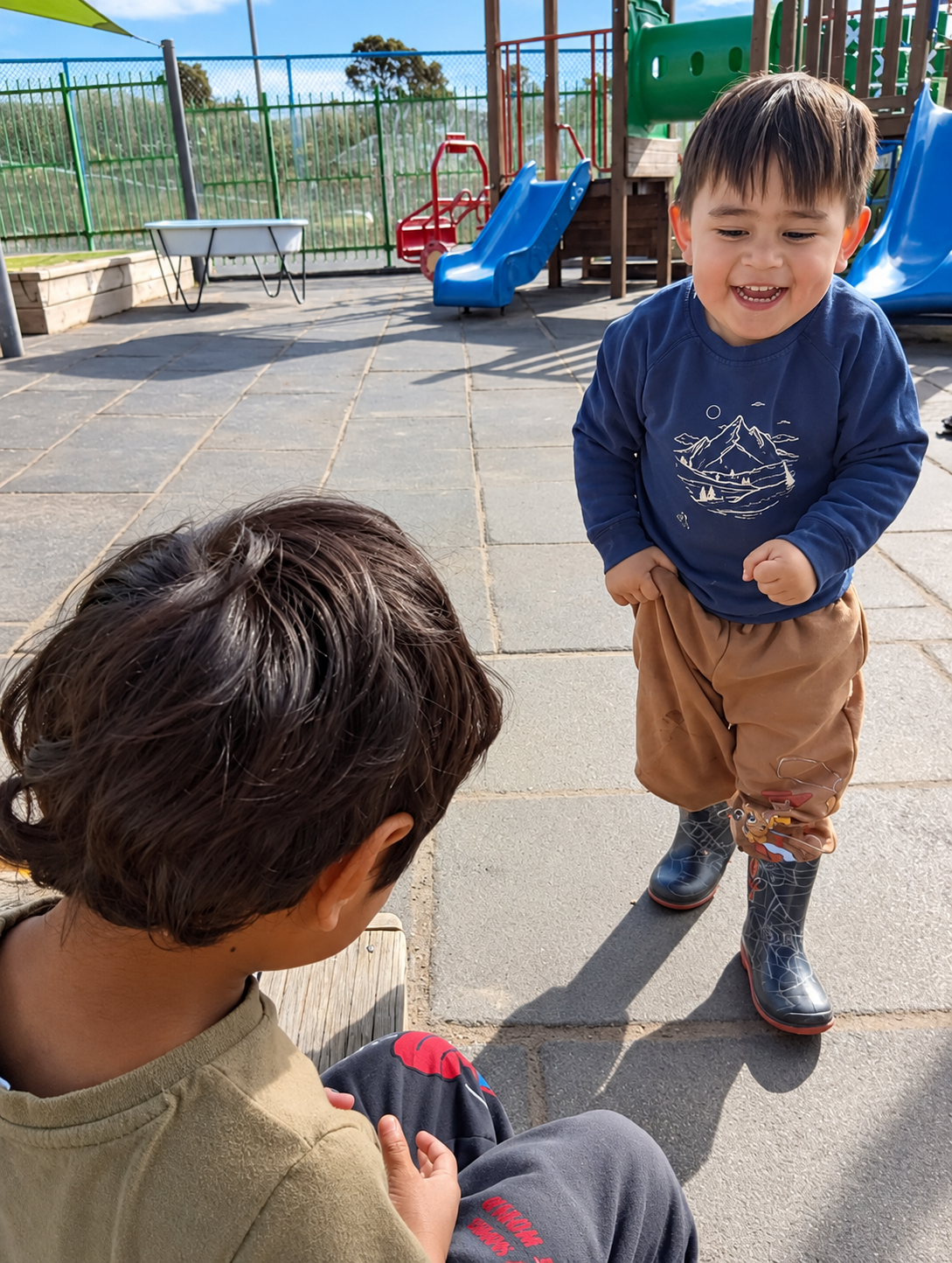
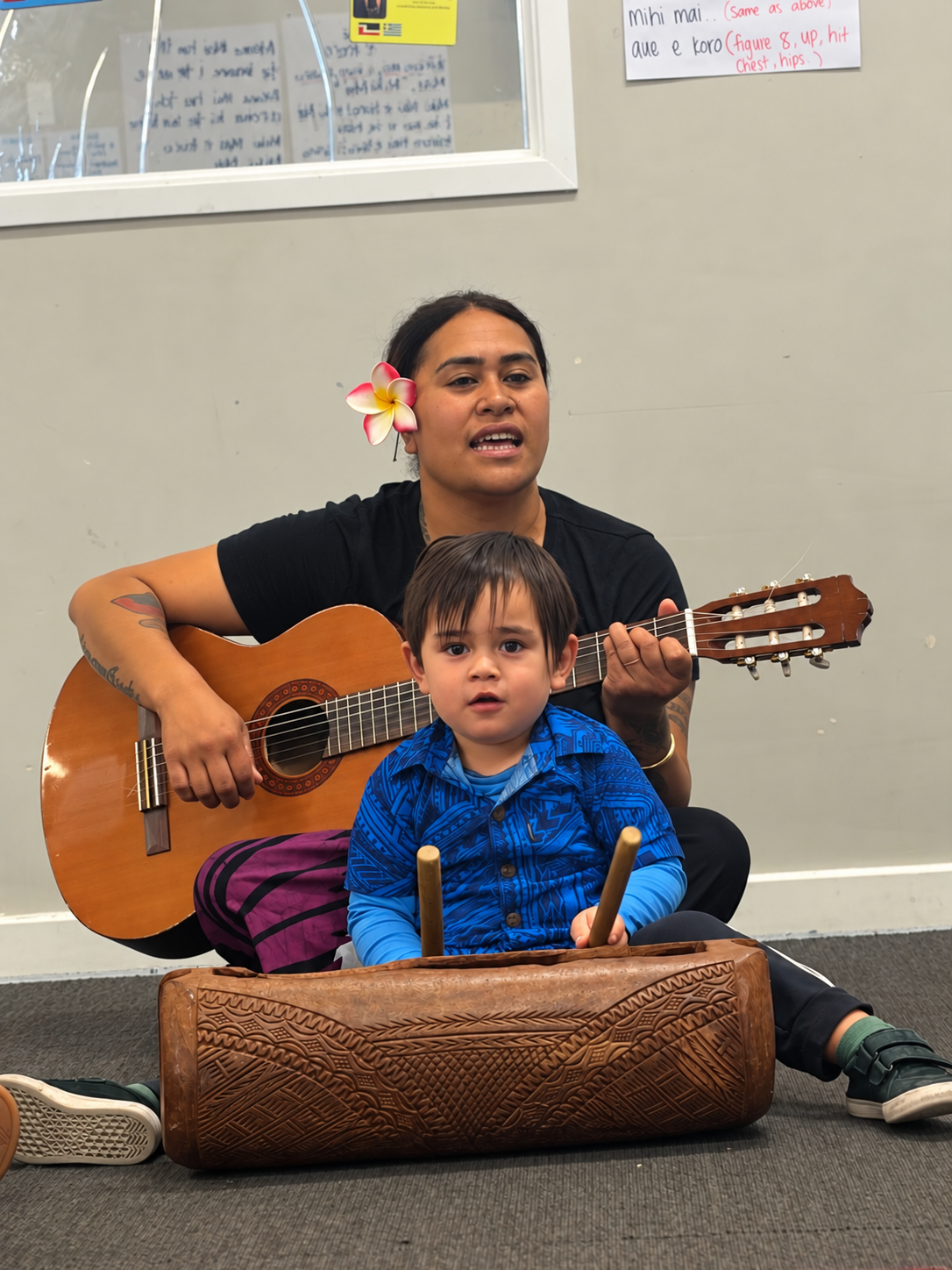
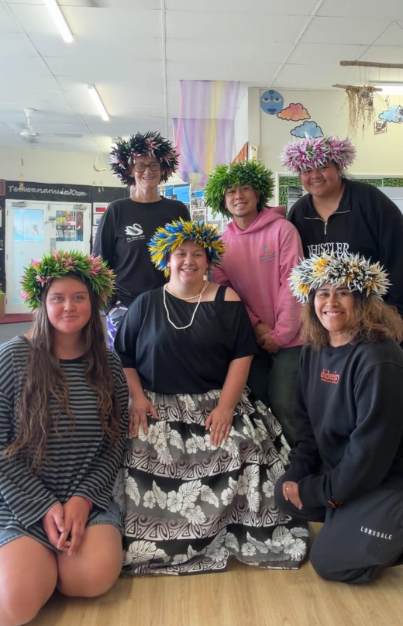
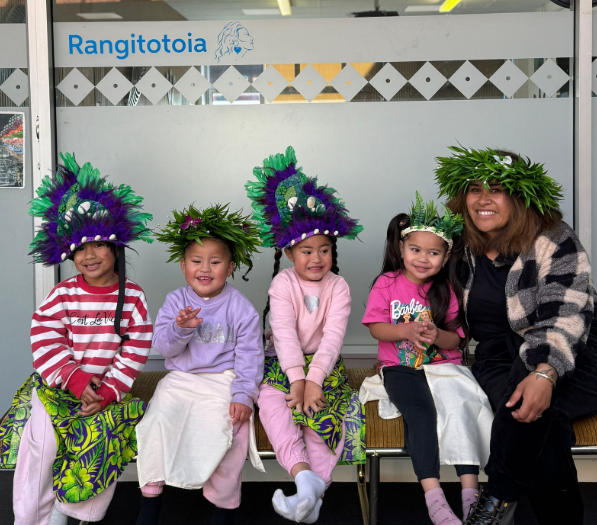
At both our early childhood centres, kaiako keep training throughout the year. They learn about speech and language, social and emotional learning, guiding behaviour and inclusive teaching. Then they bring it back and put it into practice with tamariki.
That matters even for kaiako with years behind them. Anu Isaako, a Head Teacher in our early childhood team, has taught for 23 years. She called this year’s training with Ministry of Education specialists “so amazing”.
It started with one mum who was worried about her son’s speech.
Tamariki who need a speech therapist can sit on a waiting list first. Anu was already working with a Ministry of Education specialist who visits our tamariki with autism, so she asked if the specialists could teach our kaiako.
“Why should we wait?” Anu says. “We’ve already got a relationship with the family. We’ve already got a relationship with the child. So, there’s no reason why we can’t give the strategies.”
The Ministry said yes. An early intervention teacher and a speech therapist met the team, then ran a session for kaiako from both our centres, Tiaki Mokopuna Childcare in Porirua city centre and Porirua Whānau Centre Childcare in Cannons Creek.
An hour wasn’t enough to get through everything, so they came back for a half day.
A lot of it was about social and emotional learning, and helping tamariki with big feelings.
Kaiako took turns playing the child and the teacher. They watched videos of small moments going wrong and worked out what had upset the child. Then they looked at themselves.
“We could have our own trauma, and if we’re dysregulated, we could unregulate a child,” Anu says. “So, a lot of it is us.”
When kaiako stay calm, tamariki can settle too.
What kaiako learn doesn’t stay in the staff room. Whānau tell us what they want for their tamariki, and many have said they want their child talking more.
That goes into each child’s plan.
Kaiako then pass the same strategies on to whānau in plain words, with pictures and wall displays that star their own tamariki. That way whānau can use them at home too.
Whānau often thank the team. Anu sends it straight back.
“It’s like, no, thank you so much, because if you’re not trying this stuff at home, we’re actually not going to see the progression.”
Kaiako say tamariki are talking more. This term we’re learning about respect, including taking our shoes off at the door, and whānau have started doing the same at home.
More parents are stopping to look, read and ask questions.
Anu knows what it’s like on the other side of that conversation. Her son has ADHD. She didn’t find out until he started primary school, and she didn’t know who to ask.
“If I didn’t advocate for him, then the world was going to be judging him,” she says.
So, when a parent is worried, she can take her teacher hat off and talk as a mum.
If someone’s had a rough day, kaiako ask how they’re doing, and can link them with counsellors and other services here at the Whānau Centre.
Every kind of whānau has a place. Father’s Day here is Nana’s Day too.
Enrolments are open now, and there are spaces at both our centres. Your tamariki will learn with kaiako who keep training and who get to know your whole whānau.
Both are licensed, follow Te Whāriki, and are staffed by qualified, experienced kaiako.
They’re open Monday to Friday, all year round apart from public holidays and two weeks over Christmas. Porirua Whānau Centre Childcare is open 8:30am to 4pm, and Tiaki Mokopuna Childcare is open 8:30am to 4:30pm.
There’s more on offer at Porirua Whānau Centre Childcare in Cannons Creek right now. Complete four budgeting sessions with our Whānau Centre team and you’ll get three months of childcare fees free.
We’ve also extended the centre’s van service to Titahi Bay, Elsdon and Porirua East.
Find out more and enrol: https://www.poriruawhanau.org.nz/childcare.