
Building calm in challenging moments
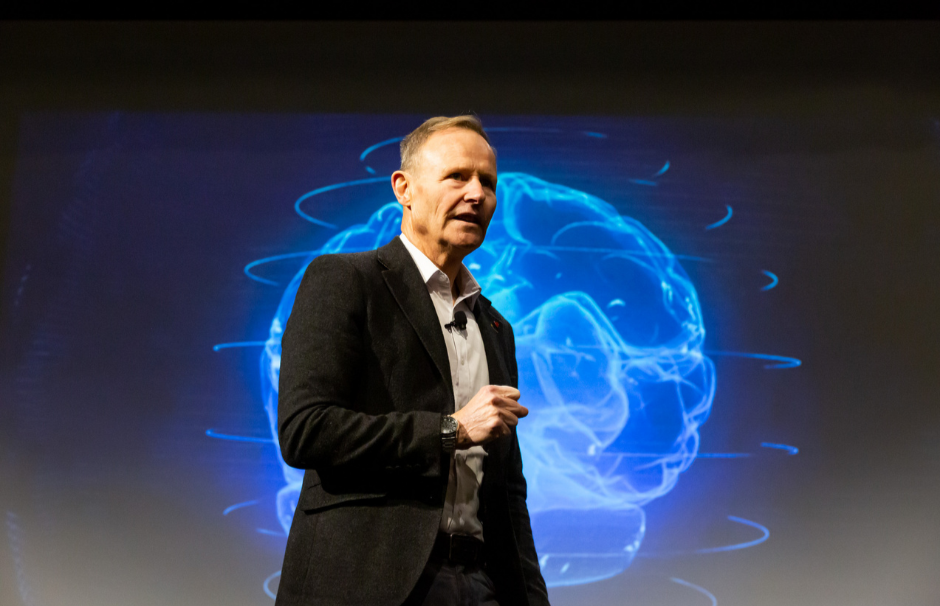
The Porirua Whānau Centre hosted de-escalation training for kaimahi and its family violence network, bringing together community practitioners who regularly work alongside whānau experiencing high levels of stress, conflict, and harm.
In recent months, kaimahi at Porirua Whānau Centre have been taking part in de-escalation training with Lance Burdett – a facilitator who works at the intersection of wellbeing, neuroscience, and human connection.
The training focuses on something many of us are noticing more often: emotions running high, conversations escalating quickly, and people carrying a lot more stress than they used to.
At its heart, de-escalation training is about learning how to respond calmly and safely when emotions rise.
It’s not about “fixing” someone or telling them to calm down. Instead, it teaches simple, practical ways to acknowledge what someone is feeling, reduce tension, and help a conversation move back to a place of respect and understanding.
Lance explains that the growing need for these skills didn’t come out of nowhere.
The COVID-19 lockdowns disrupted daily routines, increased isolation, and created a constant background of uncertainty and fear.
While many people pushed through at the time, the emotional impact didn’t disappear.
Instead, it surfaced later – often as frustration, anger, or overwhelm. Add ongoing pressures like housing stress, rising costs, extreme weather events, and economic uncertainty, and many people are still operating in a heightened state of stress.
“When people are hurting, they can react quickly and sharply,” Lance says. “That doesn’t mean they’re bad people. It means they’re overwhelmed.”
For Whānau Centre kaimahi, this reality shows up every day. Many of the whānau they support were already navigating hardship before recent years added extra layers of pressure.
The training was organised not just for kaimahi but also the Whānau Centre’s family violence network, bringing together community practitioners who regularly work alongside whānau experiencing high levels of stress, conflict, and harm.
By investing in shared de-escalation skills, the Whānau Centre aimed to strengthen collective responses across the network – supporting safer interactions, better outcomes for whānau, and greater wellbeing for the people doing this challenging frontline work every day.
When someone is under constant strain, their nervous system is often in “fight or flight” mode, making it harder to communicate calmly or feel safe.
That’s where de-escalation skills make a real difference. Staff are learning how to slow interactions down, validate emotions without agreeing or disagreeing, and ask questions that help people regain a sense of control.
Simple phrases like “that sounds really tough” or “you’ve been dealing with a lot” can be powerful.
They signal manaakitanga and create space for people to breathe, reflect, and feel heard.
The training also reinforces something important: staff are not responsible for managing someone else’s emotions.
Their role is to support, not absorb, distress. By responding with empathy and clarity, they help protect their own wellbeing while also supporting safer, more respectful interactions.
For Lance, the work he does at places like the Whānau Centre always comes back to one simple idea: helping people feel safe enough to be themselves.
“When someone feels heard and not judged, their nervous system settles and that’s when real conversations can happen.”
He sees de-escalation as a way of relating to people with dignity, patience, and respect – especially when they’re having a hard day.
Presenting at the Whānau Centre, Lance says, is particularly meaningful because the values already align.
“The staff here are doing incredibly demanding work, often with people who are already carrying a lot.
“So, I was there to help slow things down, trust their instincts, and look after themselves while they support others.”
He believes that when staff feel more confident and grounded, that calm naturally carries through to whānau.
Ultimately, Lance hopes the skills shared at the Whānau Centre ripple out beyond the walls of the organisation.
“If we can respond with empathy instead of reaction, everything changes.
“Homes are calmer, workplaces are safer, and communities are stronger.”